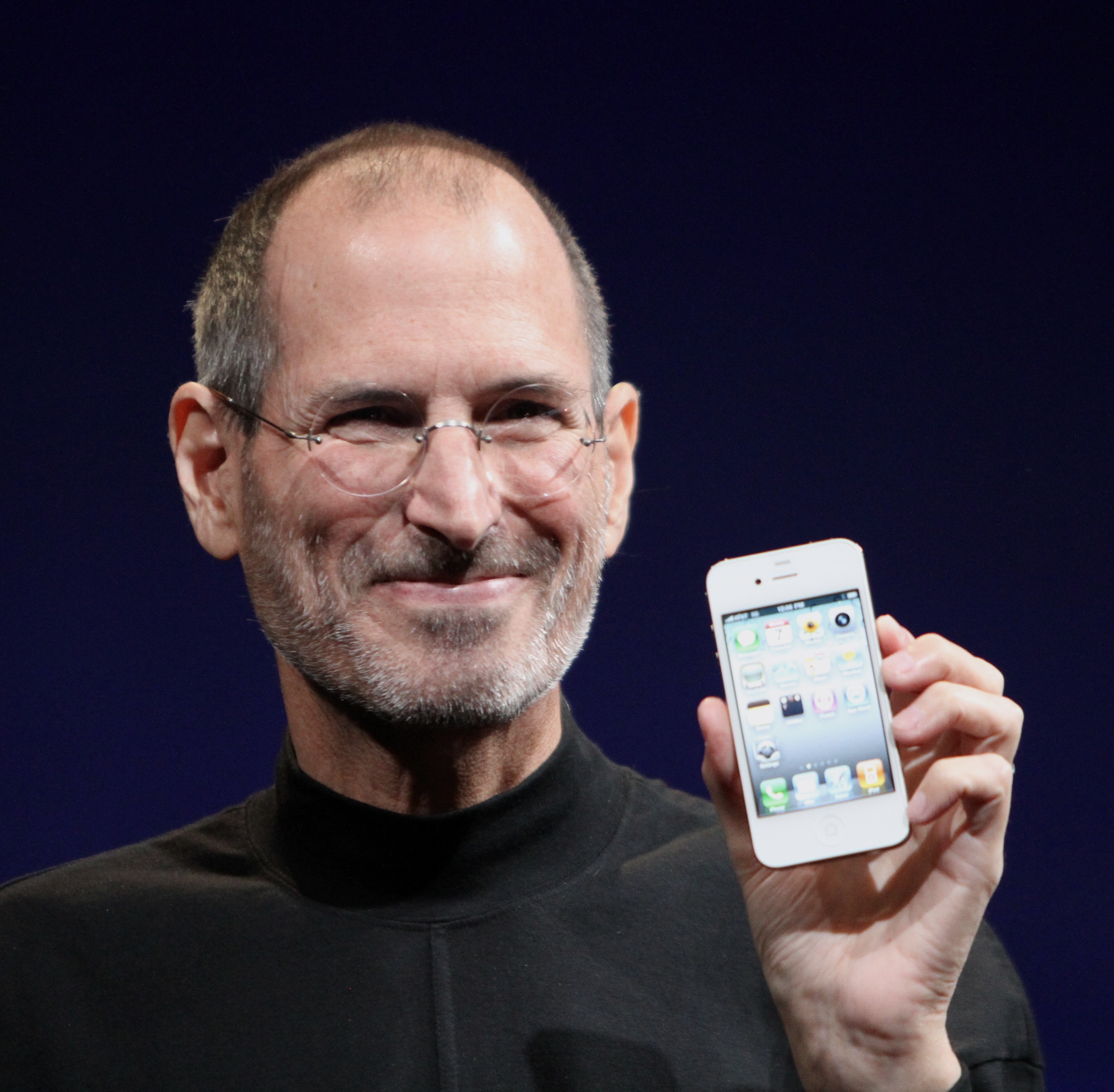
Picture Source: Matt Yohe, orginal loaded to the English Wikipedia
Picture Author: Matt Yohe
In previous post titled: Vendors Survival: Will Apple Survive until 2021? I argued that "that the probability that it will not survive is higher than the probability that the other vendors (not including Software AG and obviously not including SUN) I discussed will not survive."
According to my post, the reasons for assigning lower probability to Apple's existence for 10 years or more included:
1. Apple is a Mountain Train. Its history is full of ups and downs.
2. If it will not continue to innovate, it will not be a leader and even stop surviving.
1. Apple is a Mountain Train. Its history is full of ups and downs.
2. If it will not continue to innovate, it will not be a leader and even stop surviving.
3. Dependence on the late Steve Jobs (When the post was written Jobs was still alive)
A Bloomberg article titled: Apple’s Patent War Seen Leading To Retaliatory Strikes, dwell upon current Apple's Patent Wars. However, interpreting it could support my Long Term analysis.
The additional aspects, discussed in Bloomberg's article and interpreted by me are:
1. Apple is paying 7 or 8 billion USDs a year to
Samsung for components made by Samsung Electronic co.
Apple depends on its rival Samsung. Without Samsung it is not able to supply Smart phones as well as other devices.
2. Suing another company for patent infrigement could result in suing the the suing company for patent infringement of the suied company.
As already described in a previous post titled: Did you find Apple?, Apple is not a leader as far as the number of patents is considered. Samsung is in the second place in the Top Ten 2011 patents Leaders in USA.
Motorola Mobility, acquired by Google, is the Smartphone market Patent leader, i.e. owns the largest number of patents. Apple sued it and HTC in addition to Samsung.
One of the reasons for acquiring Motorola Mobility by Google was the large number of Smart phones patents it owns. As a veteran company, its patents are basic patents. If and when, it will prosecute Apple , the result could be stoppage of sales of Apple's Smartphone , at least for a limited period.
3. Apple's two core products (iPhone and iPad) strategy, is a marketing advantage in comparison to Nokia (as already cited in a previous post) and Samsung, which presents 134 phones in its Web site.
As far as Patent Wars are concerned, it is disadvantage.
If you lose, you will have to stop marketing a product.
If you have 134 phones you can still sale 133.
If you have only two your survival is questionable.
4. Is the Smartphone Operating Systems competition scenario similar to the PC competition scenario few decades ago?
If it is, then the threat of Binding or closed System is a serious one.
Microsoft vs. Apple
It is strange to think of Microsoft's Desktop Operating System as Open, but if you compare it to Apple's Desktop Operating System it is.
Microsoft binding was limited to its Infrastructure Products e.g. Windows Operating System and its Applications e.g. Office.
AS long as you used them, you could use any hardware vendor's products e.g. HP, Dell, IBM, Toshiba etc and any processor supporting Windows.
You could also complement Microsoft's products, with third party or ISVs products.
Apple's binding includes its Hardware and the number and variety of ISVs products was limited.
The result was standardization on Windows and Apple's Desktop Operating systems and Hardware are only Niche Player.
Google vs. Apple
The two leading Smartphone Operating Systems are Iphone OS and Google's Android.
Any Smartphone vendor can use Android freely.
Google business model is based on Advertisement, so many of its products, including Android, are free of charge as long as Google can add Ads.
The result is Android usage by many Smartphone Vendors.
Apple is, as closed as it was, in the Desktop: Only Iphones can use Iphone OS.
If and when, the Smartphone applications market will be standardized on the open Android Operating System Apple's Iphone will be a Niche Player.
Any Smartphone vendor can use Android freely.
Google business model is based on Advertisement, so many of its products, including Android, are free of charge as long as Google can add Ads.
The result is Android usage by many Smartphone Vendors.
Apple is, as closed as it was, in the Desktop: Only Iphones can use Iphone OS.
If and when, the Smartphone applications market will be standardized on the open Android Operating System Apple's Iphone will be a Niche Player.
Comments